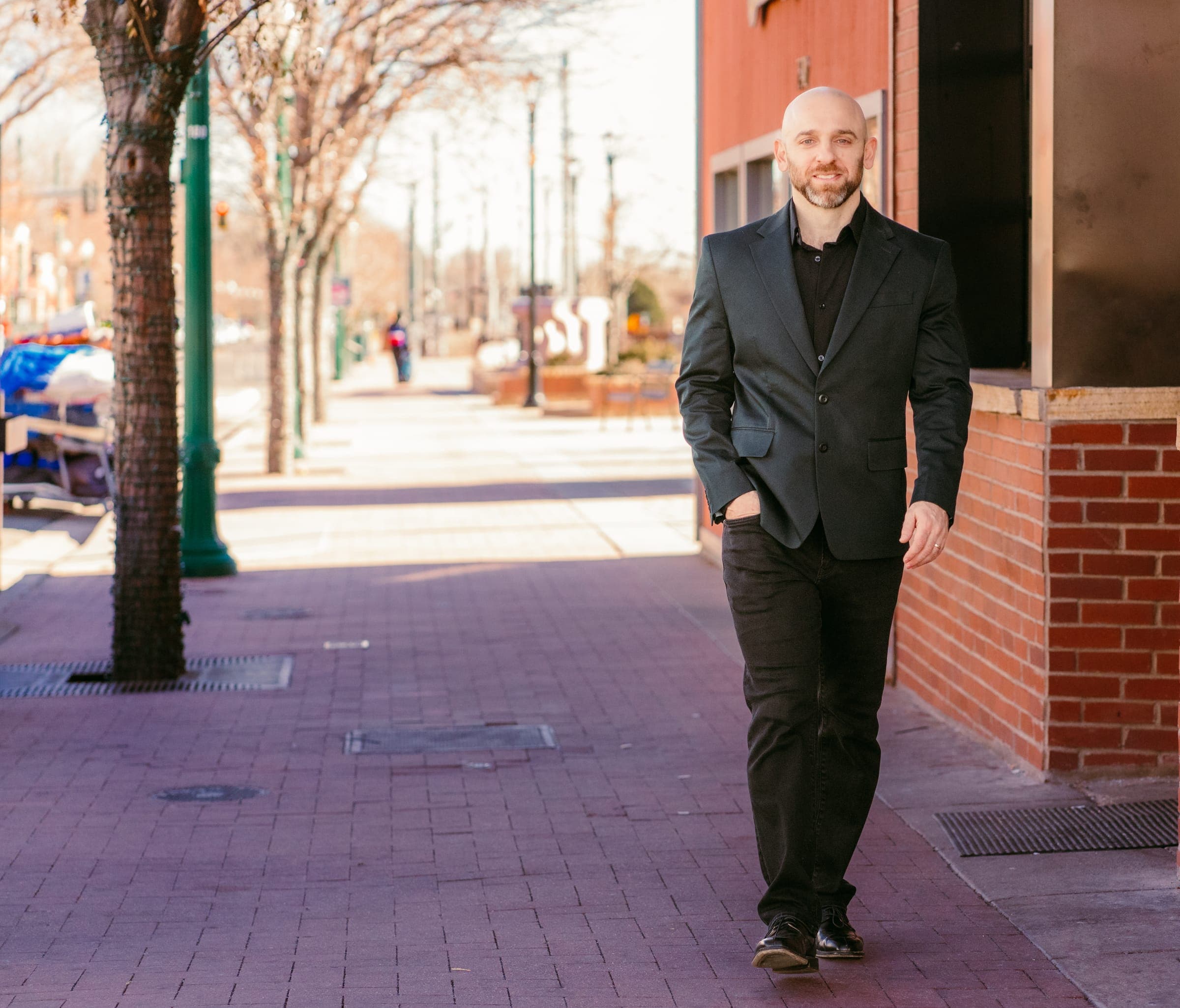
My work sits at the intersection of education, operations, and technology
In business, I design and build AI workflows that help owners and teams see what matters, prepare faster, report cleaner, and follow through with less manual effort.
In cannabis, I help people understand what they’re using, why they’re using it, and how to make decisions that support their wellness goals.
The common thread is simple: better information should lead to better decisions.
Choose the lane that fits what you need
Agentic workflows for real execution
Most businesses don’t need more AI hype. They need workflows that actually work.
I build these systems for coaches, CPAs, fractional executives, and service business owners. People who sell expertise and drown in the operations around it.
I also build at the organization level. An AI operating layer designed once at corporate, rolled out across locations or franchisees, with ongoing management so it keeps working after launch.
I build agentic AI systems for briefings, KPI reporting, financial reporting, meeting prep, task management, email triage, and operational follow-through.
The goal is not to add more tools. The goal is to make the business easier to run.
Explore AI systems →Informed use, better results
Cannabis can be powerful, but only when people have the right context. I help consumers, patients, and communities make informed decisions around cannabis as part of a responsible wellness or alternative medicine journey.
Form factor, dosage, intention, and personal goals all matter. Guessing is not a strategy.
Explore cannabis education →This work is grounded in real operations
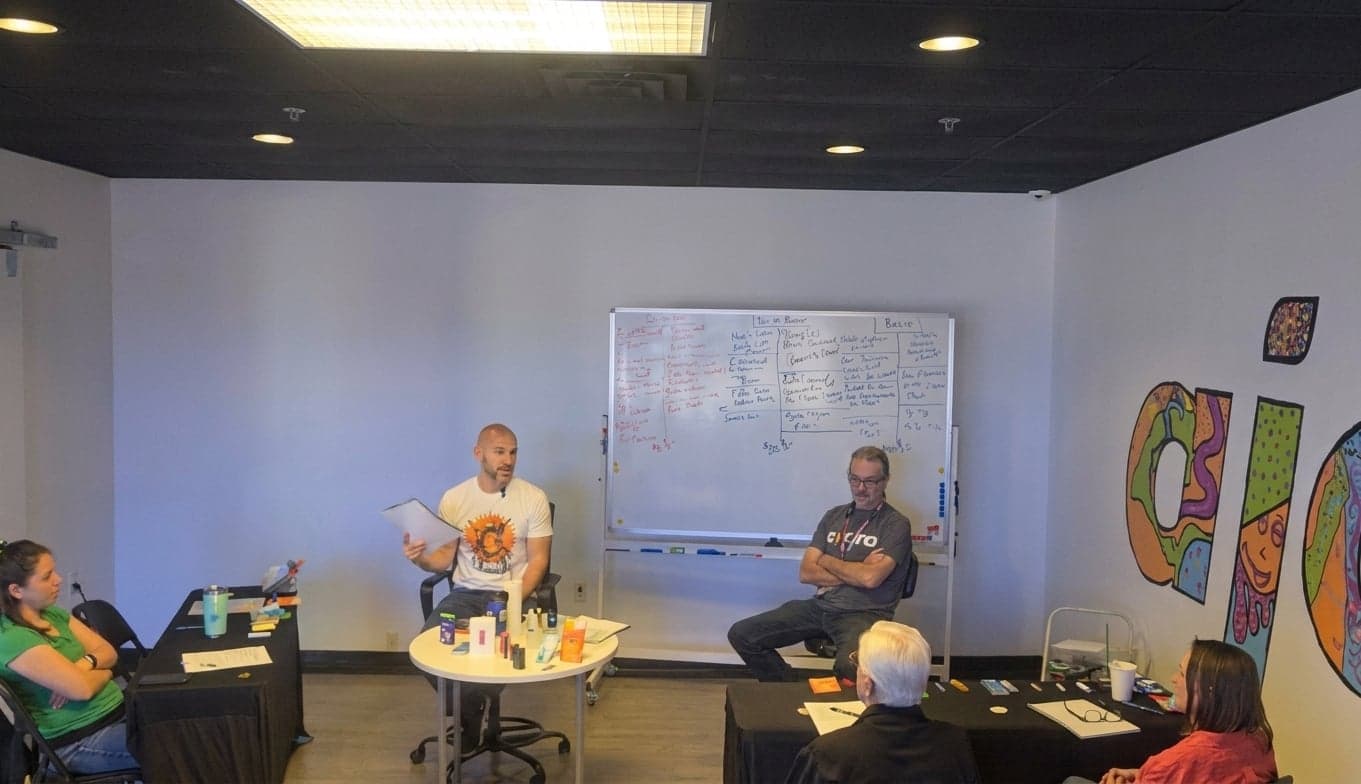
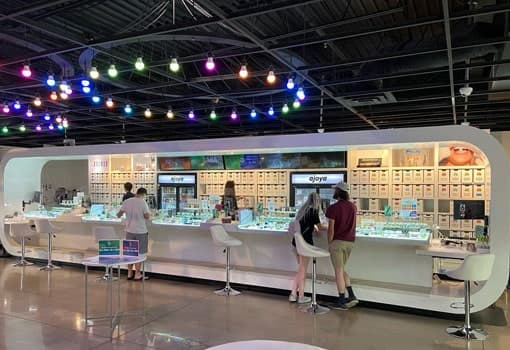
Through Ajoya, the dispensary I co-founded in 2010, and my work inside active businesses, I test these ideas in the real world: with customers, teams, reporting cycles, management rhythms, and the day-to-day messiness of running a business.
I’m not a theorist. Everything I teach and build has been lived first.
Five hours of reporting, automated
A CPA client’s monthly reporting process took three to five hours per client. Now it runs automatically.
She’s gone further than that. She works directly with her agent to build new workflows and automate processes that used to depend on her and her team.
Next step: connecting the agent to her tools to take even more off her plate.
One system, two locations, eleven days of live results
On July 17, we relaunched the loyalty and CRM program at Ajoya, the dispensary I co-founded. New platform, new sign-up rules, new welcome sequence. And one more thing: an automated daily KPI report, delivered to staff at both locations, showing first-time customers, contact capture rate, and how many local customers we missed.
Capture went from a number nobody saw to a number everyone talks about.
First eleven days, against a 197-day baseline:
This wasn’t bought with margin.
To be straight with you: several changes launched at once, so these numbers are the combined effect of the new program and the daily reporting. That’s how real operations work, and I’d rather show you real numbers than clean ones.
This is a live experiment. We’ll update these figures as we go, including any that stall. Next full read: August 17.
This is what rollout actually looks like. One system, deployed across locations, with results tracked per location and per person. Some locations and some people move fast. Some need more work. The system tells you which is which.
Figures last updated 2026-07-28
“I’ve worked with dozens of people trying to sell me courses and information, but Joey actually rolls up his sleeves and works right alongside you to build systems and processes that align with your unique needs.”
Tom Wall, Ph.D., Speaker, Author, CoachReady to get some of this off your shoulders?
The first step is a short call. You tell me where things are piling up and what still runs through you. I’ll tell you honestly whether a system would help and what it would look like.
Whether you’re one owner or a system of them, the first call works the same way. No pitch deck. No hype.